|
Life cycle of a star By Grace Boundey  
Please select one of the links below |
|
Life cycle of a star By Grace Boundey
Please select one of the links below |
|
Title Page |
|
Astronomy discussion 11
Grace Boundey |
|
Nebula |
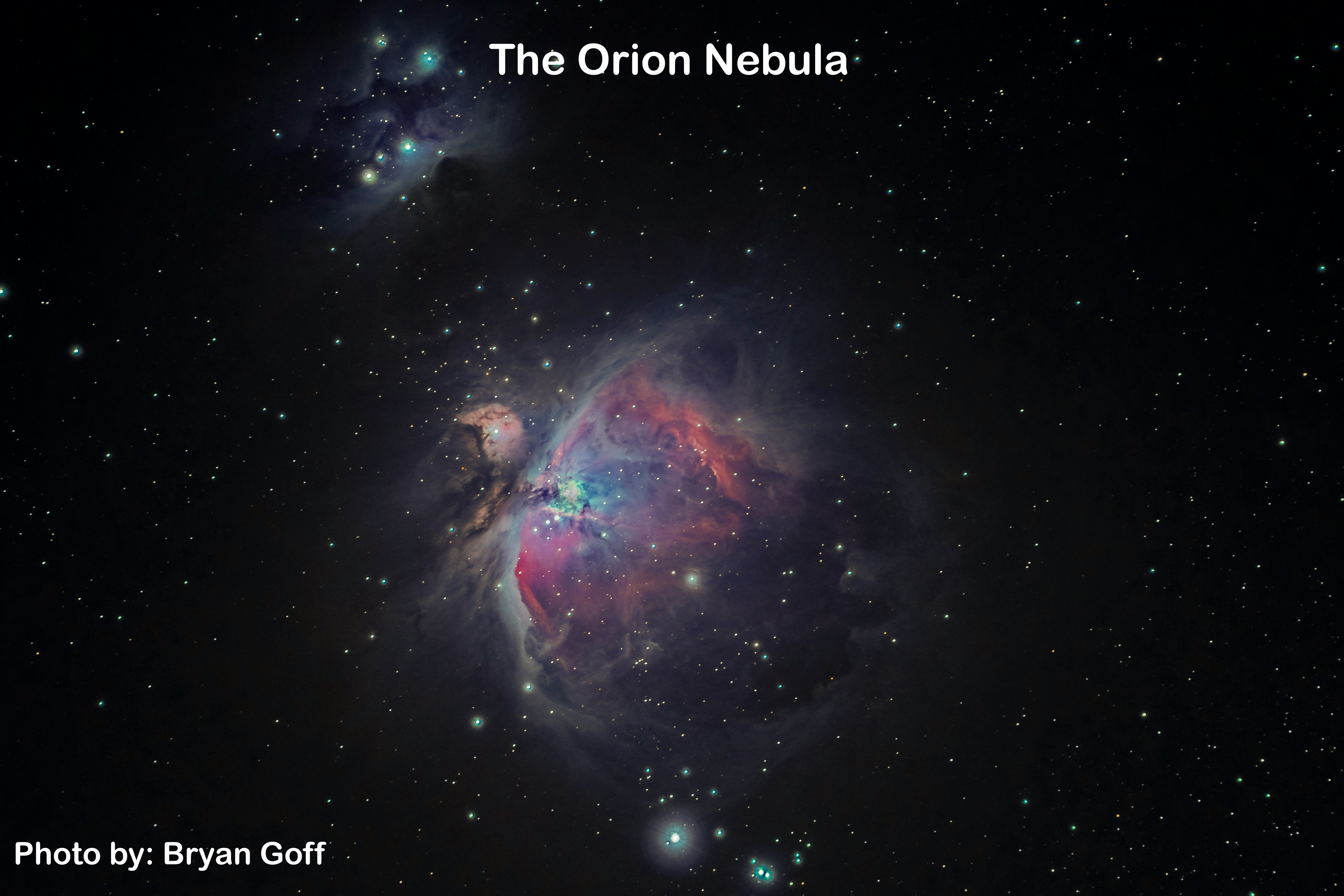
Stars begin their lives in nebulae. A nebula is made up of massive clouds of dust and gas. The Orion nebula pictured above is an example of such a star forming area. Sections within a nebula will become denser because of turbulence within the clouds of dust and gas. As the region gains pressure and heat, the force of gravity causes the clouds to to collapse. If the mass has reached a level of heat sufficent for nuclear fusion to commence, the life of a brand new protostar will begin (Hubblesite NASA). |
|
Main Sequence Star The 2nd Stage of a Stars Life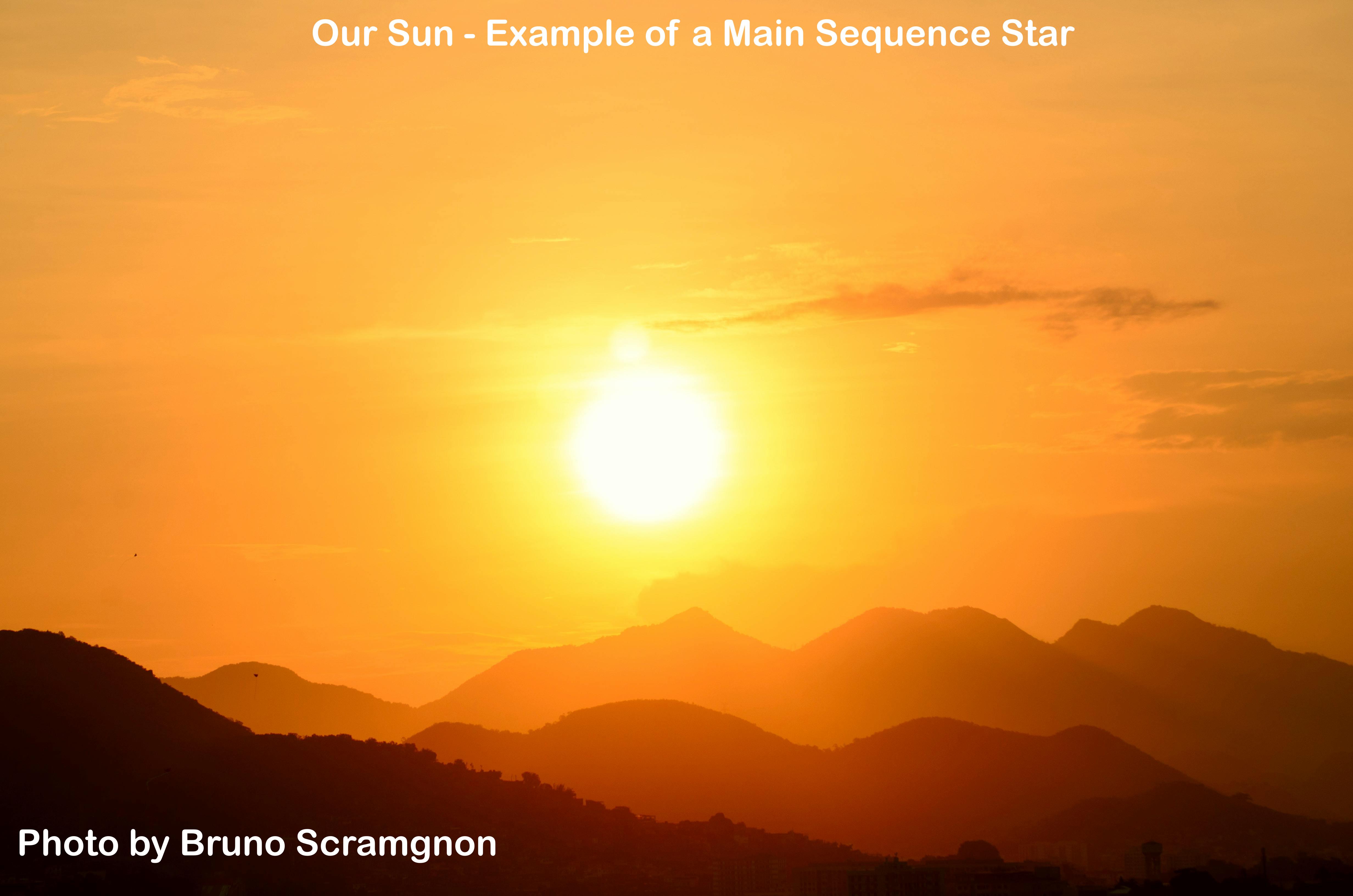
As the newly formed star begins nuclear fusion (the process in which a star fuses hydrogen atoms to create helium atoms inside of its core) it produces an enormous quantity of energy. Finally it stabilizes, and becomes a main sequence star. The star will likely stay in this stage for a long period of time, the majority of its life. Close to 90% of all stars in the universe are in the main sequence category, including our Sun which is a good example of this kind of star (Space.com). |
|
Red Giant 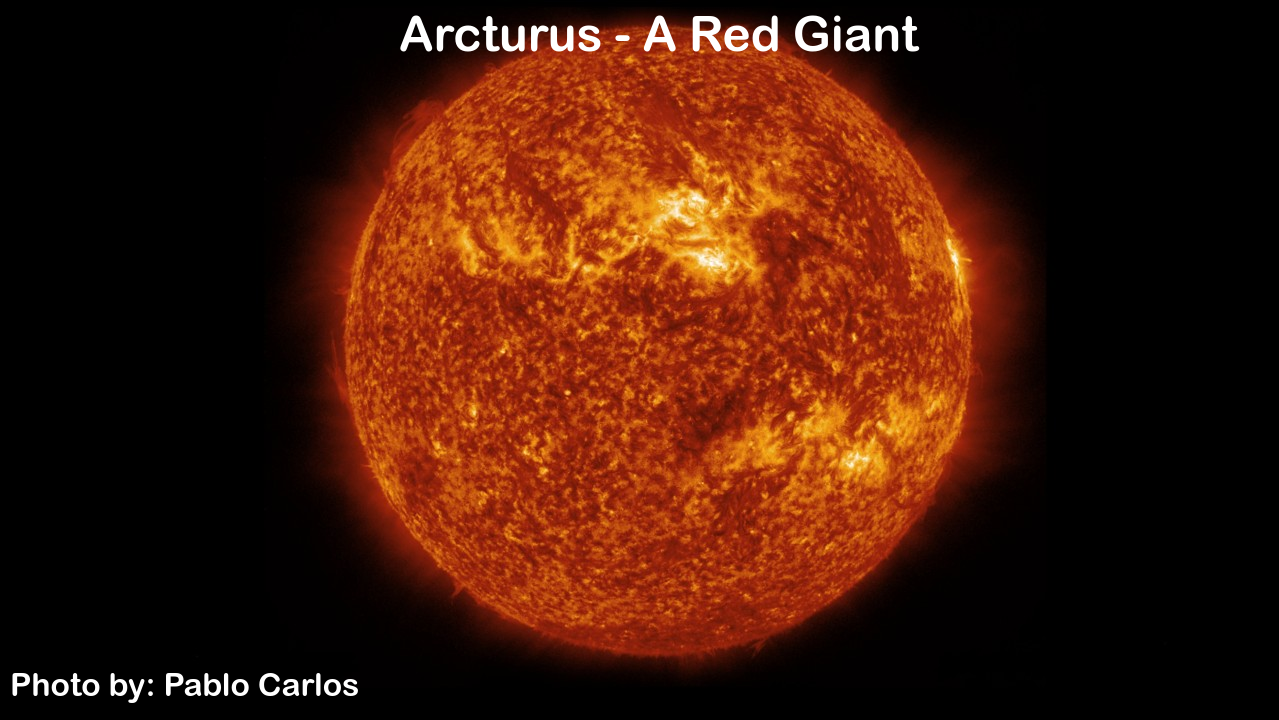
As a main sequence star ages and runs out of hydrogen (the element which is its primary source of fuel) it stops nuclear fusion. The pressure of nuclear fusion is what helps to keep the star stabilized, and as it ends, gravity can now exert enough pressure on the star to compress it. The compression generates heat inside, which causes the hydrogen shell in the center of the star to heat up enough to ignite. The helium in the stars core continues to heat up as the star contracts, which acts as a new fuel source for the star. this allows it to increase in size, and luminosity and to change its hue to a reddish orange color. It has now become a Red giant (Space.com) |
|
Planetary Nebula 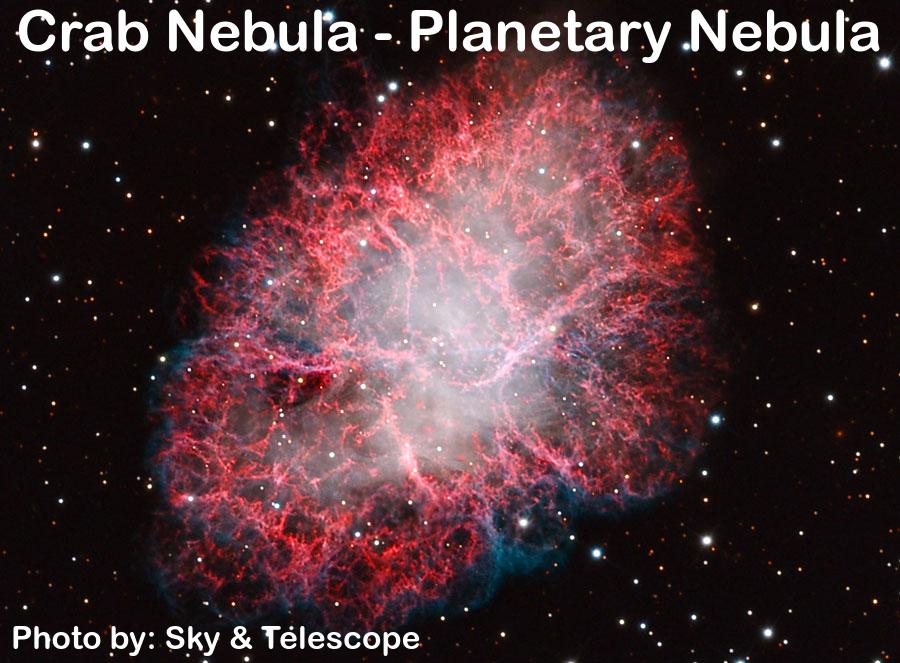
As the star continues on through its life cycle, now at the end of the Red giant stage, it begins to run low on fuel. The star begins to contract and expand repeatedly, expelling its outer layers. As the final layers separate and move outward into space, a new shell forms around the perimeter of the core. It is now a Planetary nebula. Planetary nebulae are amazing sights as they glow majestically in a variety of shapes and colors. The reason that a Planetary nebula can glow is that the core of the star called the white dwarf, emits ultraviolet radiation. This ultraviolet radiation causes the gasses in the nebula to become ionized, which energizes the atoms causing them emit light. This is called florescence which puts the nebula in the category of an emission nebula. (Siyavula.com) |
|
White Dwarf 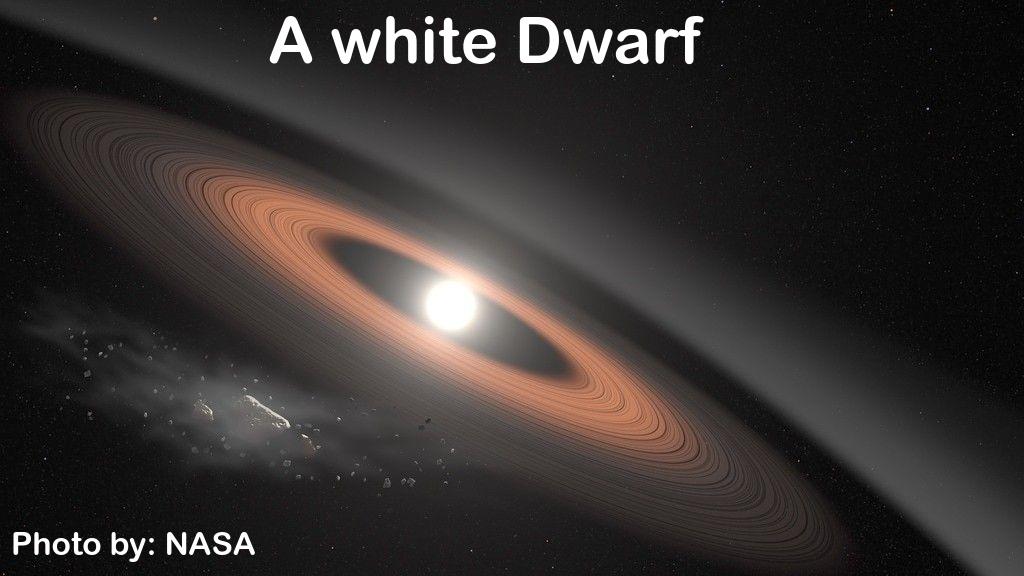
White dwarfs are the left over inner core of a star which has burned out of fuel. White dwarfs are relatively small, around the size of our Earth, and are very dense. They are extremely hot to begin with because of their recent tenure as the core of a star. However as time passes the white dwarf begins to cool, and eventually becomes a black dwarf. No black dwarfs are actually known to exist but it is assumed that the white dwarf would simply cool until it becomes nothing but remnants of material left behind. (Space.com) |
|
Works Cited |
Citations Source for Information - Source for Photographs |